Quick paint-finish recommendations
There is no single finish that is best for every surface. Start with how the area is used, how often it needs cleaning and how smooth the surface looks under natural and artificial light.
Living rooms and bedrooms
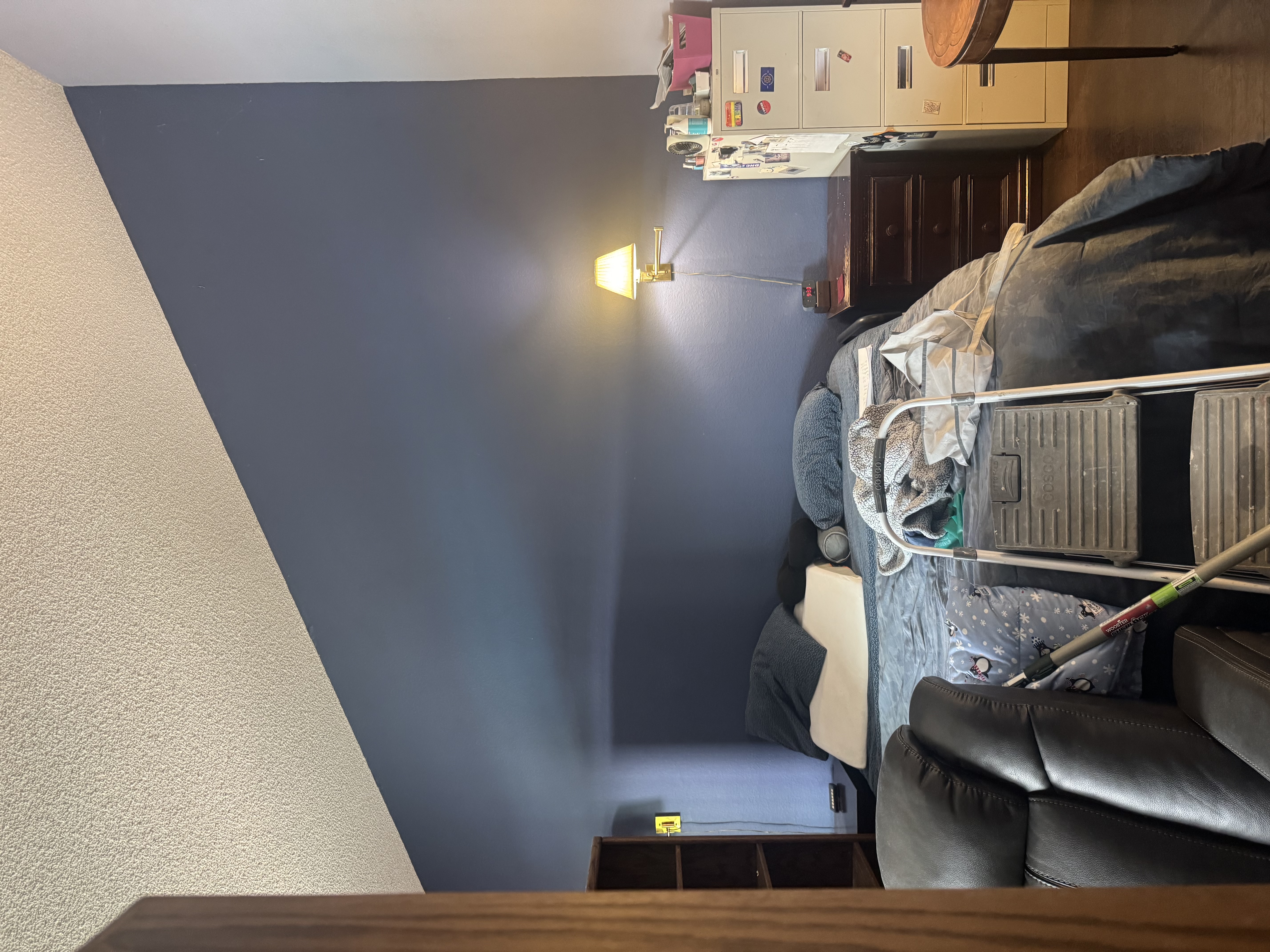
Matte or eggshell for a calm appearance with limited reflection.
Hallways and busy walls
Eggshell or satin when easier cleaning matters.
Doors, frames and baseboards
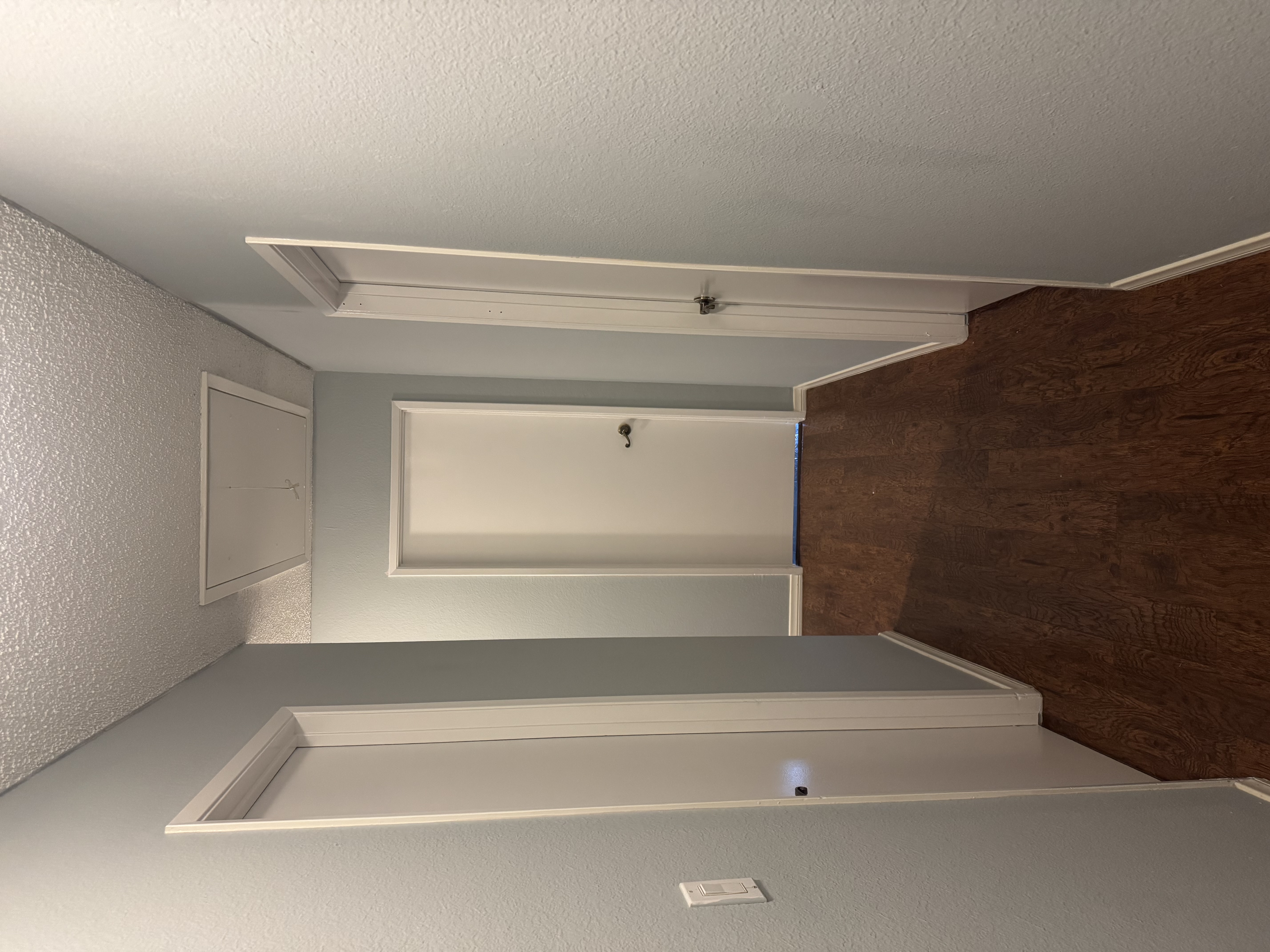
Satin or semi-gloss for durability and visual contrast.
Cabinets and built-ins
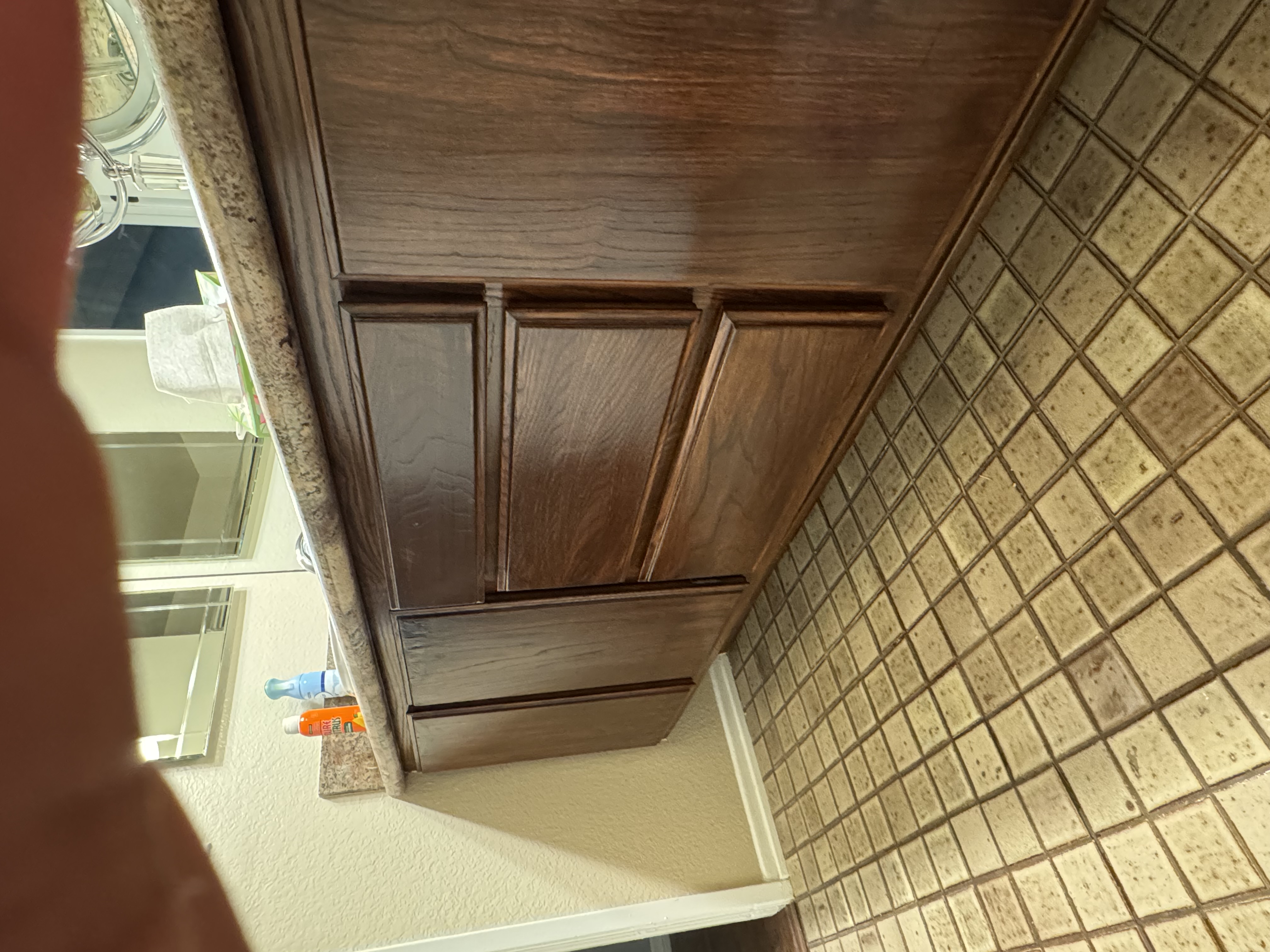
A cabinet, trim or door enamel designed to cure harder.
Bathrooms and laundry areas
A washable finish suitable for moisture-prone interiors.
Wood with visible grain
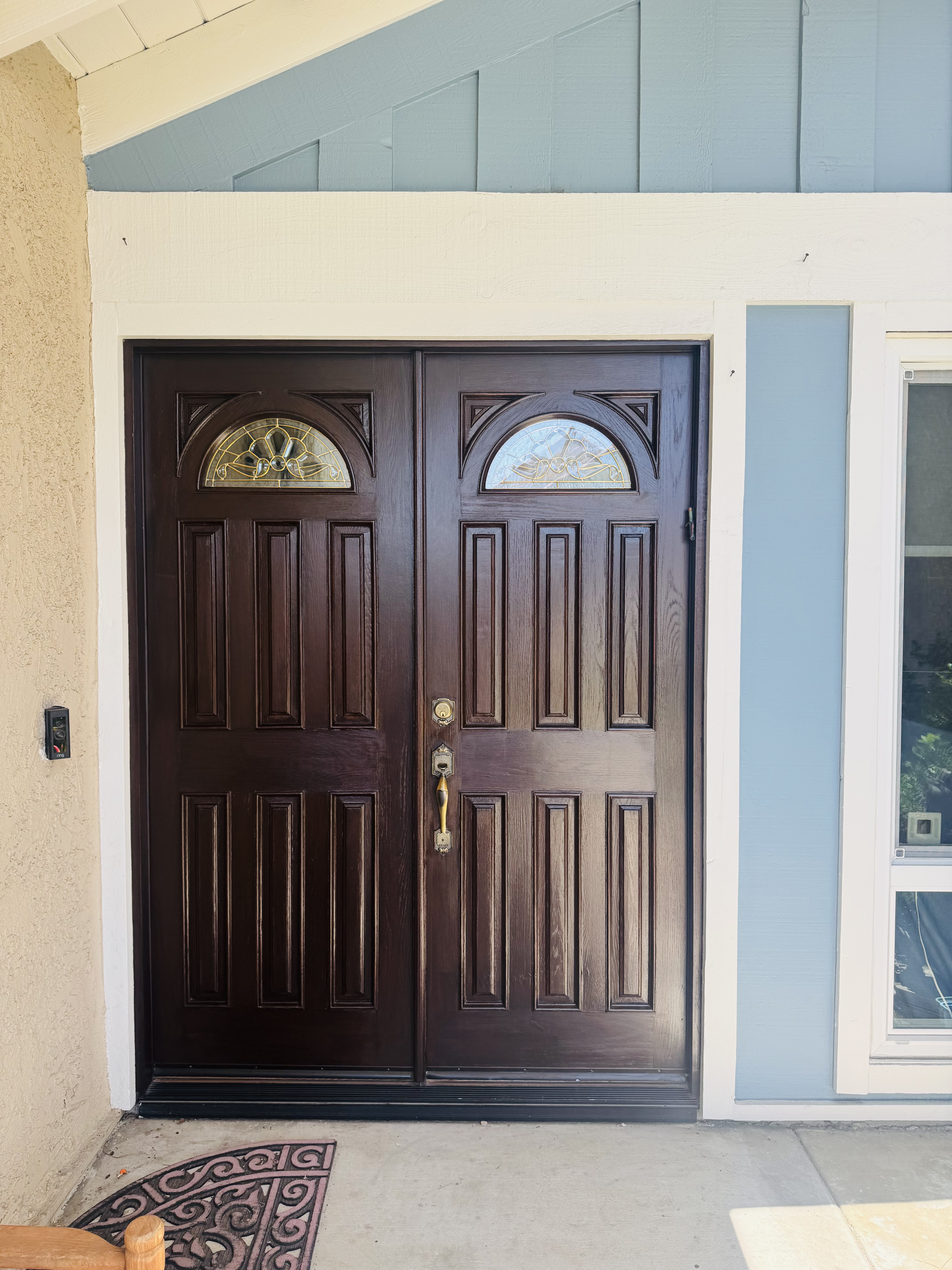
Compatible stain plus a protective clear finish when appropriate.
Why sheen matters as much as color
Paint sheen describes how much light the dry coating reflects. A flatter finish absorbs more light and can make a wall look smooth and quiet. A shinier finish reflects more light, emphasizes edges and is often easier to wipe clean.
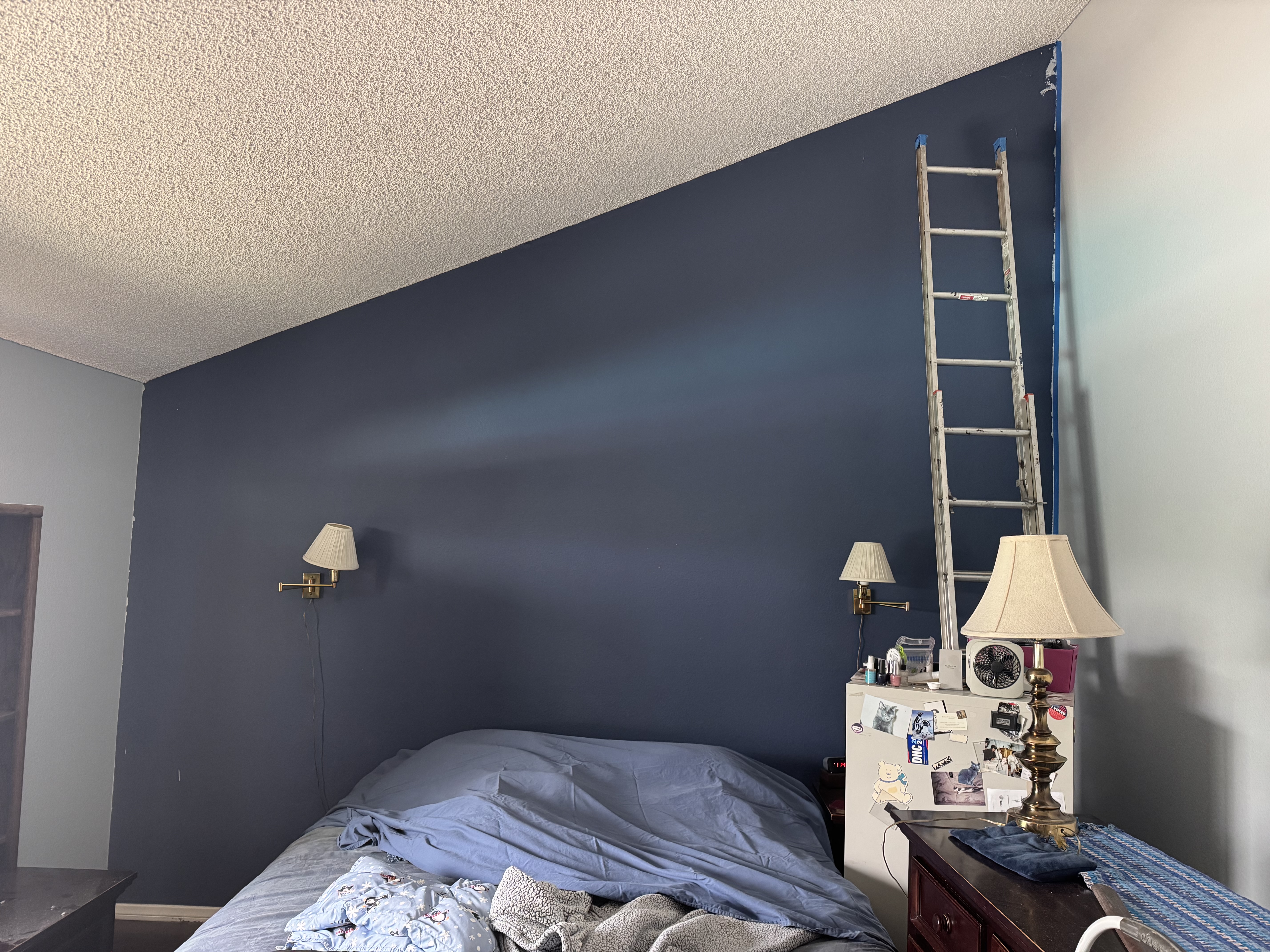
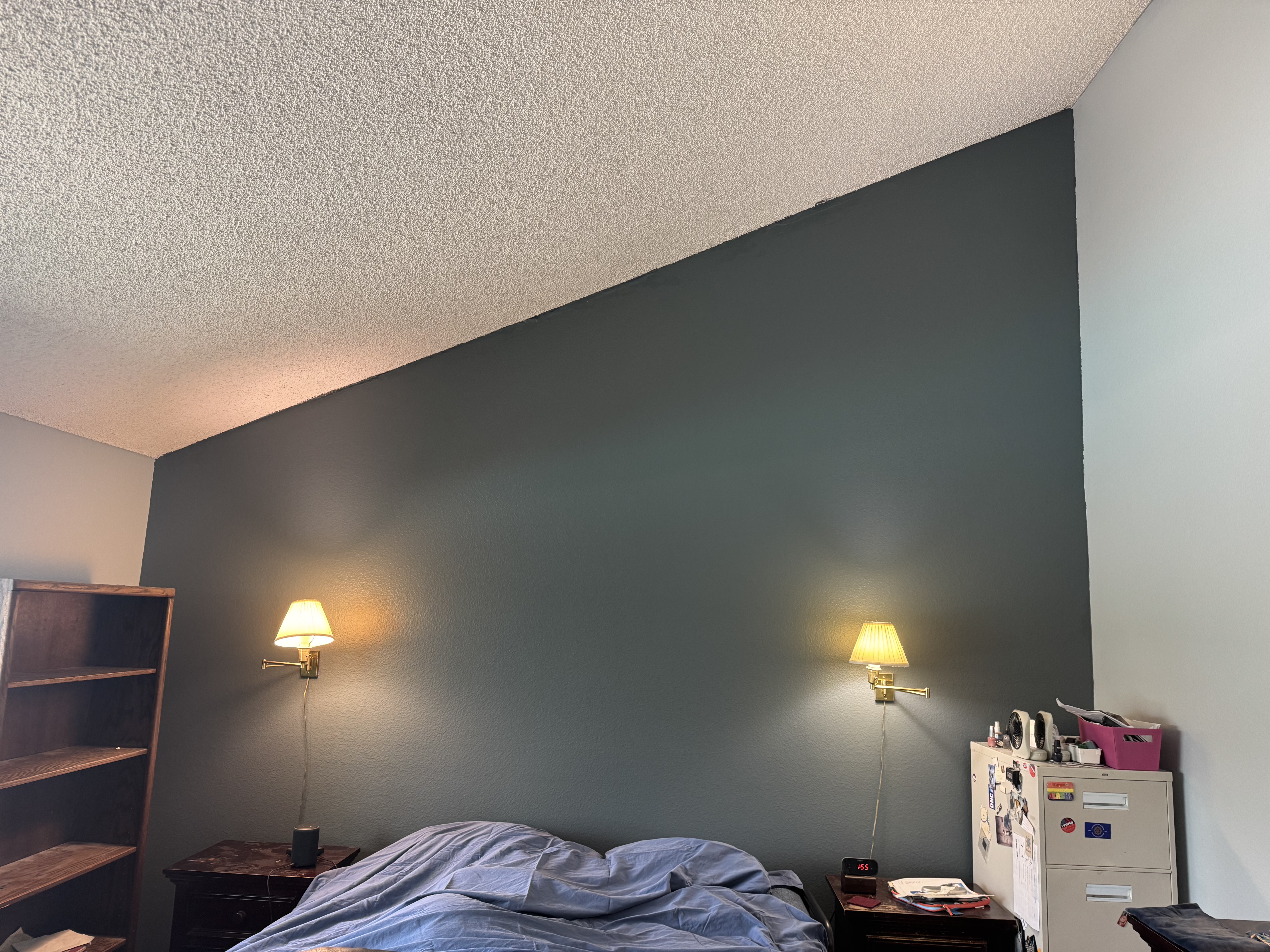
In bright Los Angeles interiors, sunlight entering from windows can travel across a wall and make patches, dents, roller marks and uneven texture more noticeable. Choosing a high-sheen product for an imperfect wall may highlight problems that were barely visible before painting. A lower sheen can be more forgiving, but it may not tolerate repeated scrubbing as well.
Matte and flat finishes
Matte and flat paints create little reflection. They are useful for ceilings, low-traffic bedrooms and walls with minor texture variations. They also photograph well because they reduce glare.
The tradeoff is cleanability. Some premium matte products are washable, but traditional flat paint can burnish or show shiny spots after aggressive wiping. For households with children, pets or busy corridors, confirm the product’s washability instead of relying only on the word “matte.”
Eggshell for balanced everyday use
Eggshell is one of the most flexible choices for interior walls. It has a soft, low-level sheen that usually looks comfortable in living rooms, bedrooms, dining spaces and hallways. It is generally easier to maintain than flat paint without creating the stronger reflection of satin.
Eggshell is often a sensible starting point when you want one wall finish across several connected spaces. The final choice should still account for the wall condition, color and the manufacturer’s specific product line.
Satin for higher-contact areas
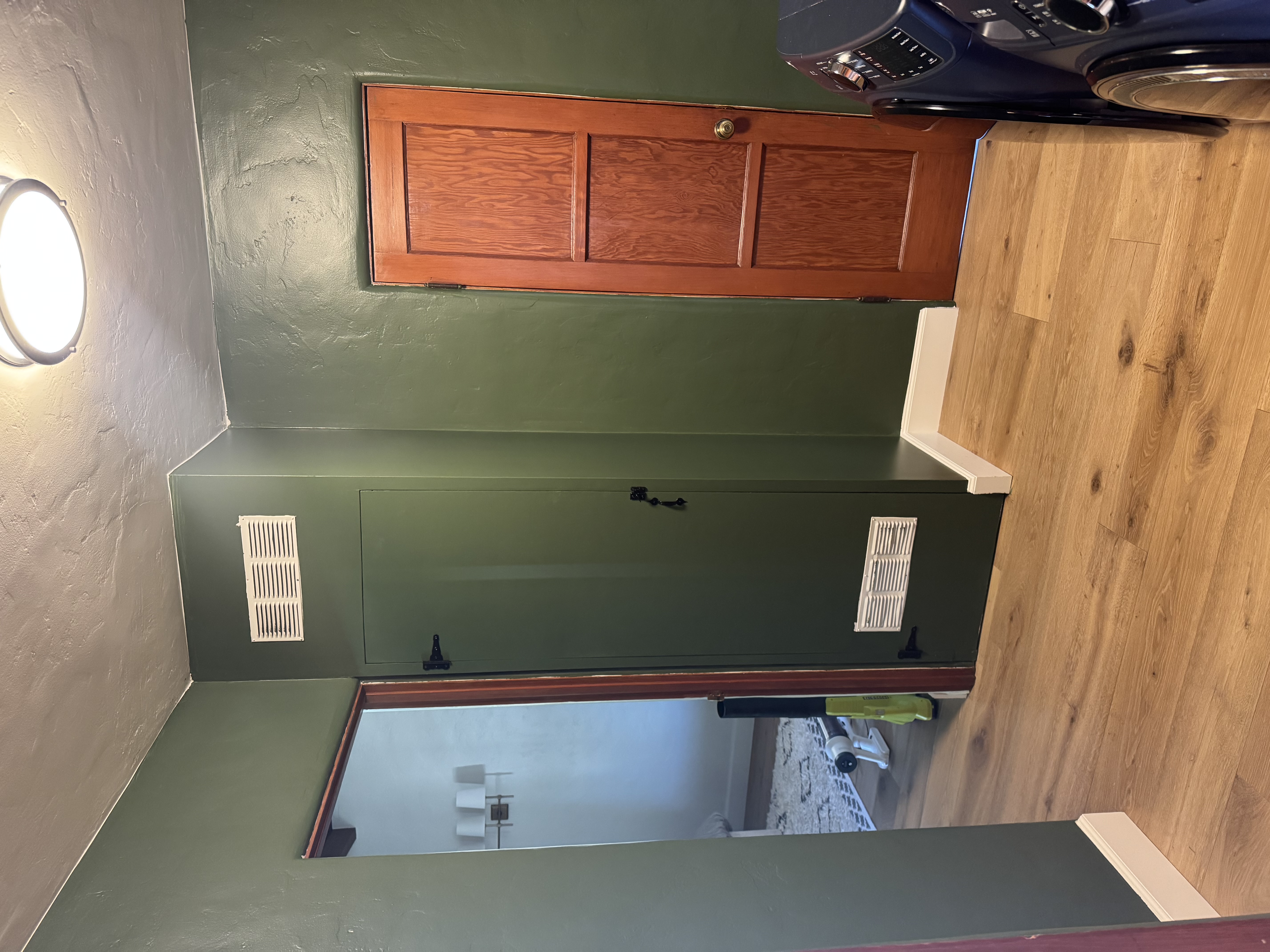
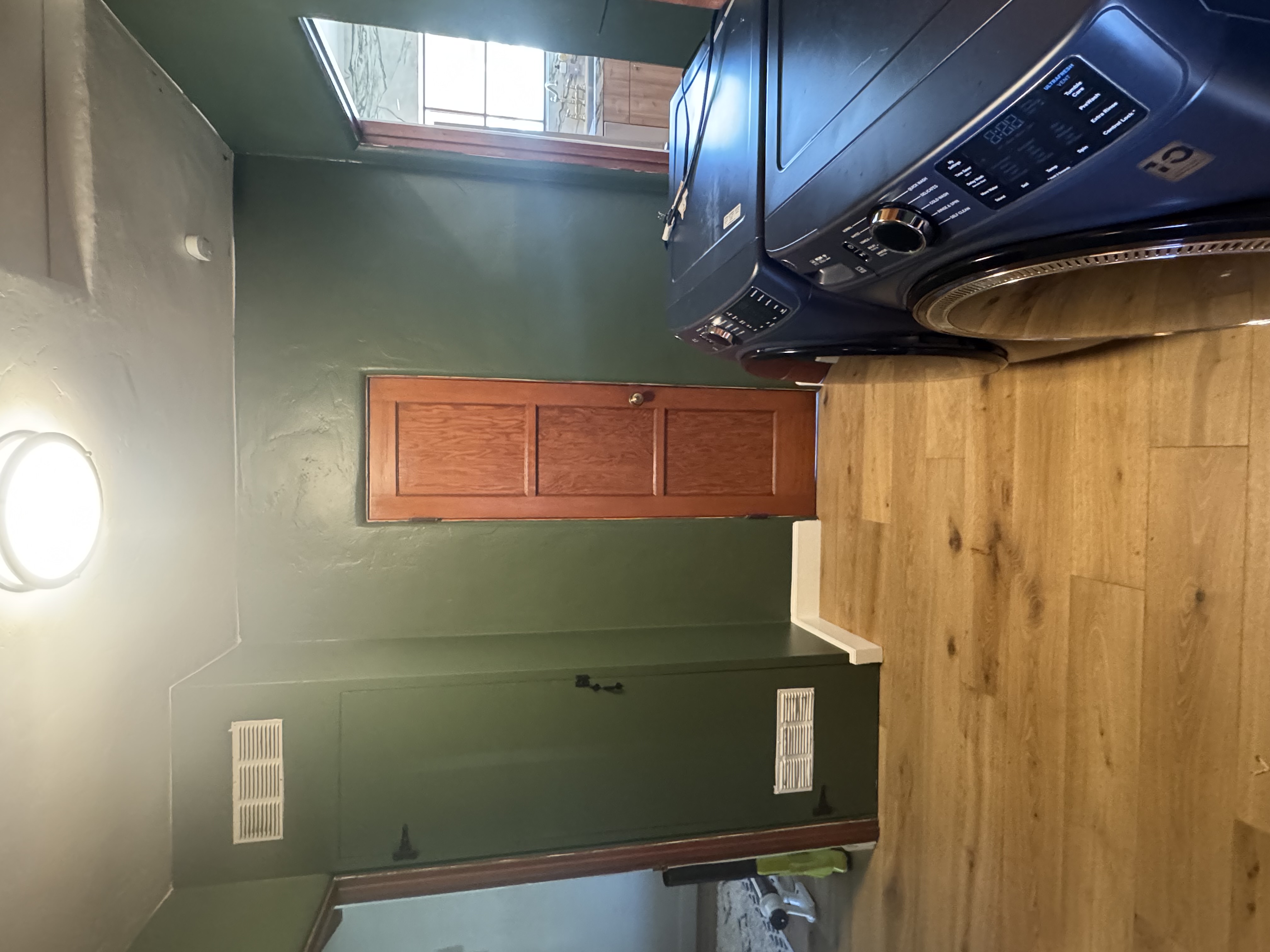
Satin has a smoother, more noticeable sheen. It is commonly considered for busy hallways, laundry rooms, some bathrooms, doors and trim. Its washable surface can be useful where fingerprints and light marks are expected.
Preparation becomes more visible with satin. Patches should be feathered, sanding dust removed and primer applied where needed. Otherwise, the finish may reveal differences between the repaired and original surfaces.
Semi-gloss for doors, trim and detailed surfaces
Semi-gloss creates a defined contrast between walls and architectural details. It is frequently used on doors, frames, baseboards and moldings because these surfaces are touched and cleaned more often than walls.
It also makes imperfections easier to see. Old brush marks, damaged corners and thick paint buildup should be corrected before recoating. If you prefer a quieter contemporary look, satin can provide durability with less shine.
Cabinets need more than ordinary wall paint
Cabinet doors and drawer fronts receive frequent hand contact, cleaning and abrasion. A coating designed for cabinets, doors or trim normally provides better leveling and a harder cured surface than standard wall paint.
The product is only part of the result. Grease and residue must be removed, glossy surfaces need proper deglossing or sanding, and the primer must be compatible with both the existing finish and the new coating. Dry-to-touch time is not the same as full cure time, so newly painted cabinet surfaces should be treated gently while the coating hardens.
When to stain instead of paint
Stain changes the color of suitable wood while allowing the grain to remain visible. It can be a strong choice for wood doors, stair components, panels and furniture details when the grain is attractive and the surface can absorb stain evenly.
Paint is usually more forgiving when the wood contains filled repairs, mismatched pieces or an existing coating that cannot be removed evenly. Before staining, identify whether the surface is bare wood, previously stained, sealed, veneered or covered with a film finish. Testing a small hidden area helps avoid an unexpected color.
Preparation determines the finish quality
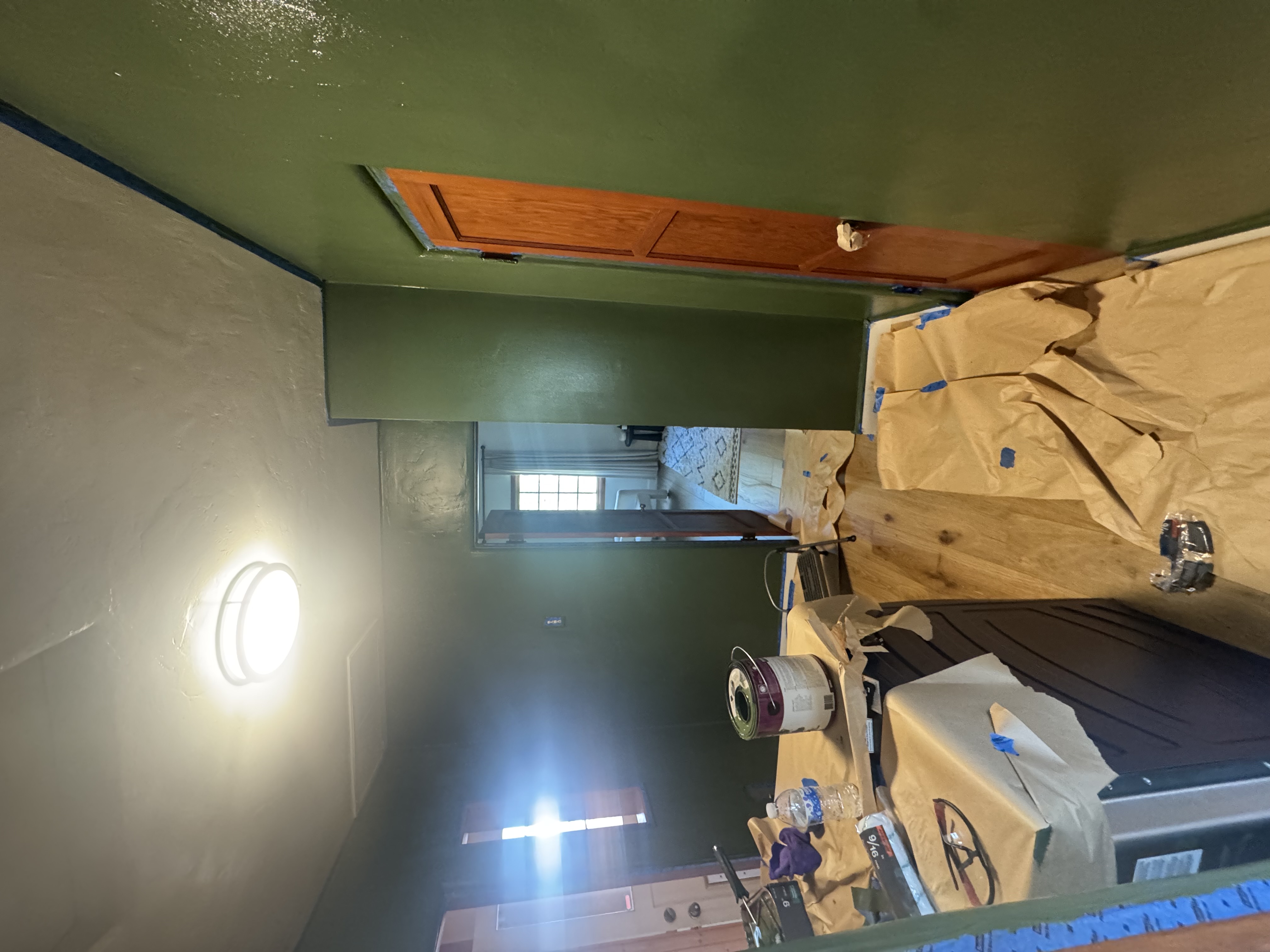
Even premium paint cannot hide poor preparation. A reliable sequence usually includes:
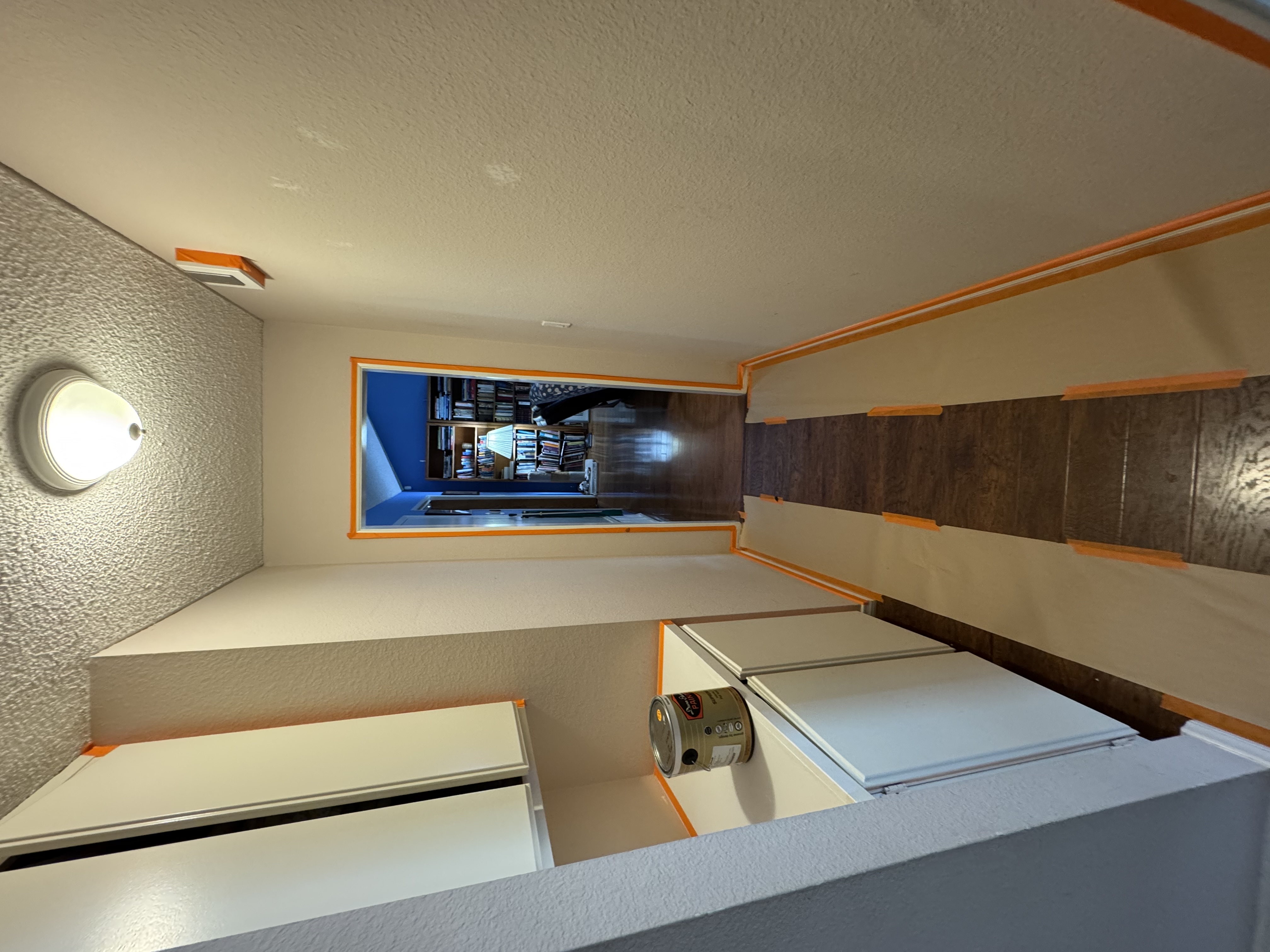
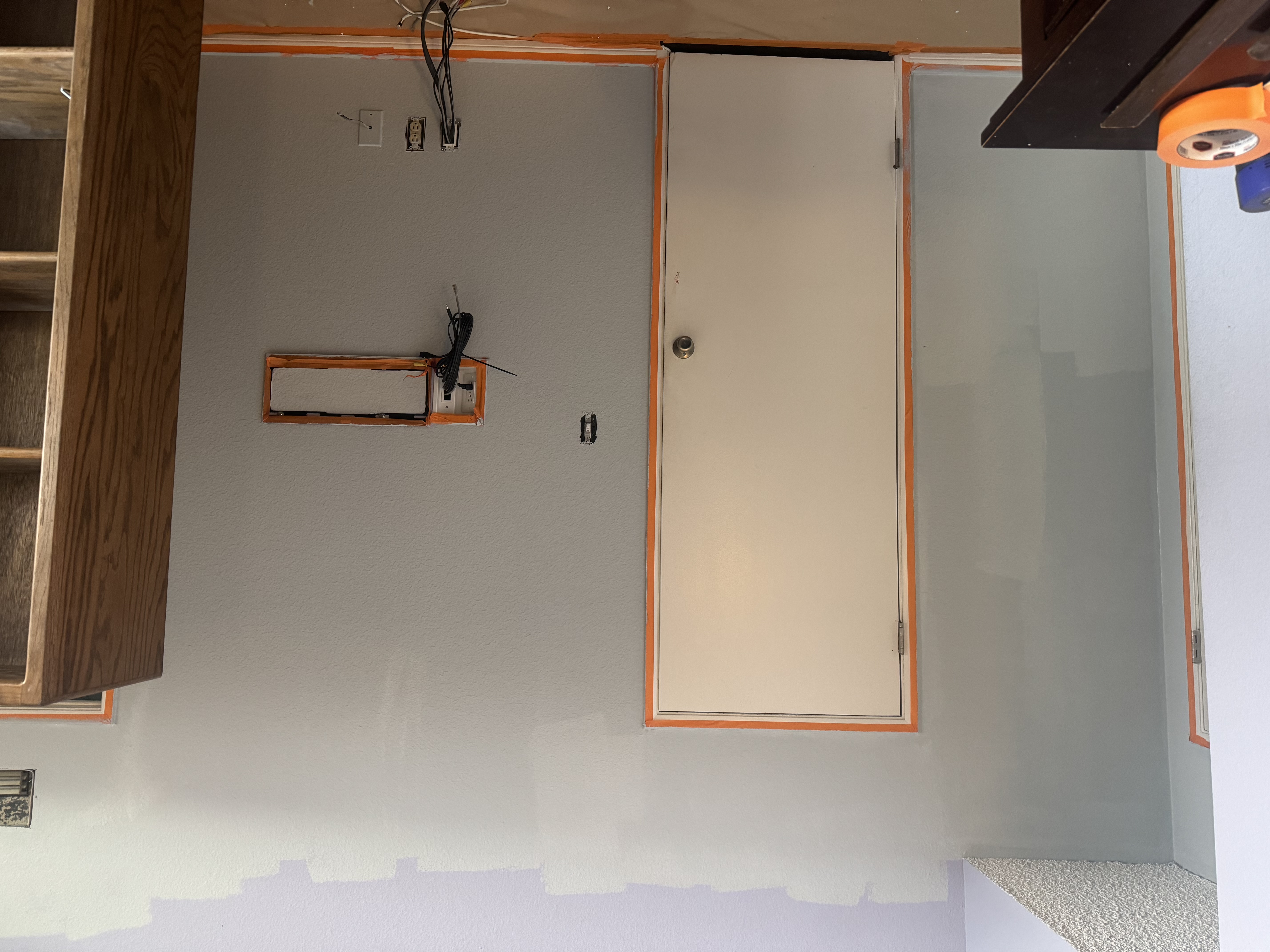
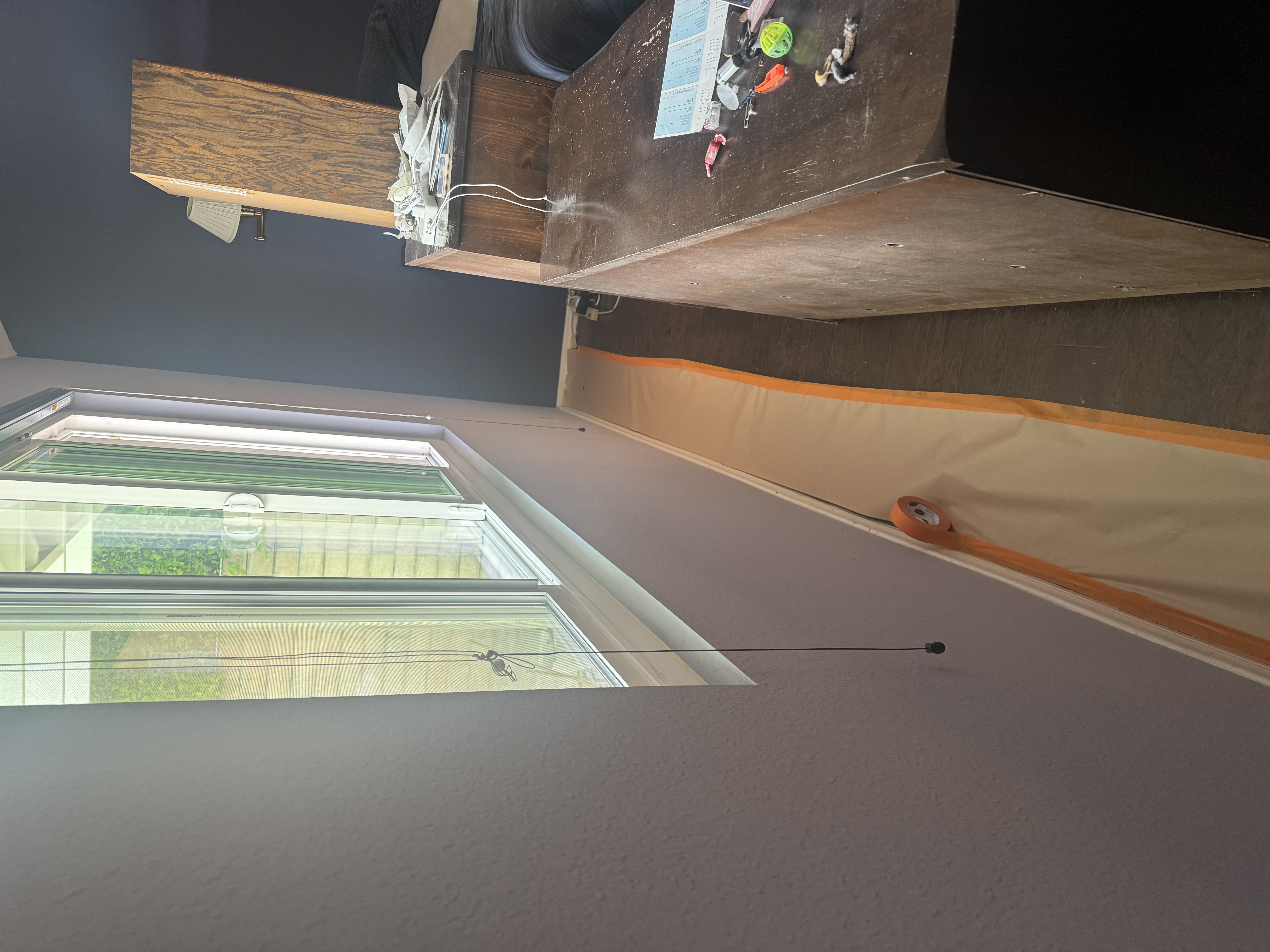
- Protecting floors, furniture, hardware and adjacent surfaces.
- Cleaning dirt, grease and residue that can interfere with adhesion.
- Repairing small holes, dents, cracks and damaged edges.
- Sanding rough areas and dulling glossy surfaces when required.
- Removing dust before primer or finish paint is applied.
- Using compatible primer on repairs, stains, bare material or difficult surfaces.
- Allowing proper dry and recoat time between layers.
Choosing a finish for rentals and property turnovers
For rental touch-ups, repeatability can be more valuable than choosing the trendiest sheen. Keep the exact manufacturer, product line, color name or formula, sheen and purchase location. “White eggshell” is not enough information because whites and sheen levels vary between products.
When only part of a wall is touched up, differences in age, fading, application method and existing sheen can remain visible. Repainting the wall from corner to corner often produces a more consistent result than spot painting the center of a large surface.
What to send for a photo-based estimate
- One wide photo showing the entire room or surface.
- Close photos of peeling, stains, dents, cracks or previous repairs.
- Approximate dimensions or the number of doors, cabinets and trim pieces.
- The existing color and desired color.
- Any available paint-can label, color code or product information.
- Your ZIP code and preferred project date.
For small painting, staining and refinishing projects, visit our Painting & Staining service page, browse recent GoSnapFix projects, or send photos for an estimate.